What Is Food Safety Testing
Food safety testing checks food for microbes and contaminants. Learn what microbial and contaminant testing does and why results guide safe meals.
Contents
- What the tests look for
- How pathogen detection works
- Why testing has a purpose
- Questions About Food Safety Testing
- Does food safety testing make food safe to eat?
- What is the difference between microbial testing and contaminant testing?
- Can pathogen detection prove a whole batch is clean?
- What does food safety testing mean for a shared meal?
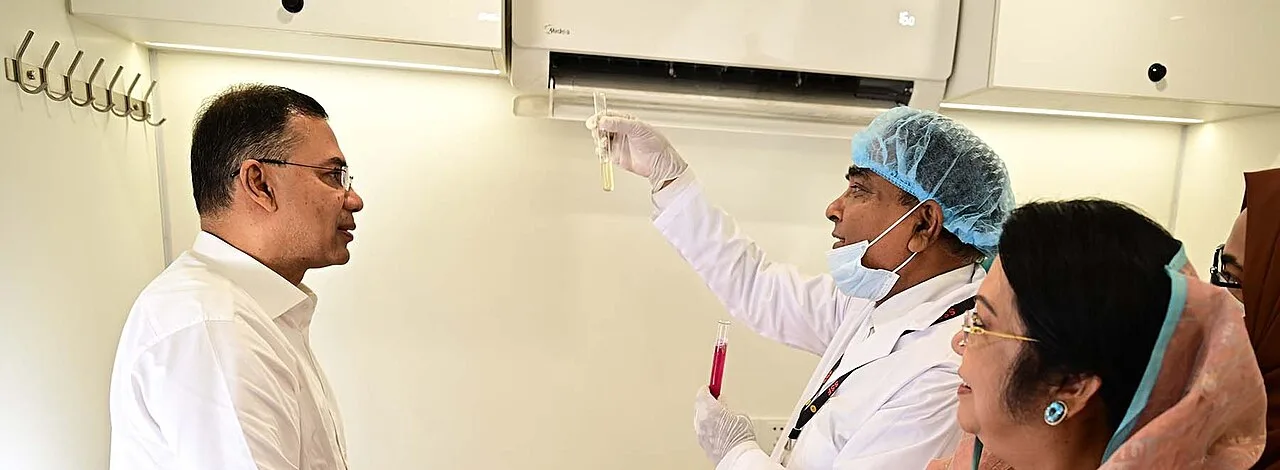
Food safety testing is the lab work that looks for things in food that can make people sick, such as harmful microbes, chemicals or foreign material. It turns a sample of food into information a cook or food business can act on. The tests do not make food safe by themselves; they show what is present so someone can decide what to do.
What the tests look for
Food safety analysis targets the hazards that matter in a given food. Microbial testing counts or detects bacteria, yeasts and molds that spoil food or cause illness. Contaminant testing looks for chemical residues, toxins and foreign material that do not belong in a meal.
How pathogen detection works
Pathogen detection asks a narrow question: is a specific illness-causing organism present in this sample? A laboratory takes a portion of food, prepares it and runs a method designed for that organism. A negative result covers only the sample tested, so it says nothing certain about the whole batch.
Why testing has a purpose
The testing purpose is to support a decision, not to fill a report. A result can confirm that a process is under control or flag a batch that needs review. Cooks planning meals for a group use that information to judge which ingredients and textures are sensible to serve.
Questions About Food Safety Testing
Does food safety testing make food safe to eat?
No, food safety testing does not make food safe by itself. Testing reports what a sample contains, and the food still depends on how it was grown, stored, handled and cooked. A clear result describes the sample, while safe handling keeps the meal safe.
What is the difference between microbial testing and contaminant testing?
Microbial testing looks for living organisms such as bacteria, yeasts and molds in food. Contaminant testing looks for non-living hazards such as chemical residues, toxins and foreign material. Together they cover two different families of risk in food safety analysis.
Can pathogen detection prove a whole batch is clean?
No, pathogen detection works on the portion of food that was sampled. Harmful organisms can be unevenly spread, so a clean sample does not prove the rest of the batch is clean. A laboratory report states what was found in the sample it tested.
What does food safety testing mean for a shared meal?
Food safety testing gives the cook facts about an ingredient before it reaches the table. When a result raises a concern, the ingredient can be replaced or handled with more care. The information helps you plan meals that suit the people eating and the textures they prefer.